This 2026 overview combines the three things most buyers want in one place: what reviews say, what is actually in the capsule and how to buy it sensibly.
- Reviews: individual and unverified
- Ingredients: five named, dosed, standardized
- Benefits: structure and function claims
- Buying: official site, 60-day guarantee, one-time payment
Reviews in 2026
When you read a review, ask what the person did besides taking the capsule, how long they used it and whether they had a baseline. A reviewer who started a walking routine at the same time as a new supplement cannot tell you which one mattered.
The most useful reviews are specific and measured: what the reviewer noticed, when, and what they did not notice. Treat glowing and harsh reviews alike as single data points.
Ingredients in 2026
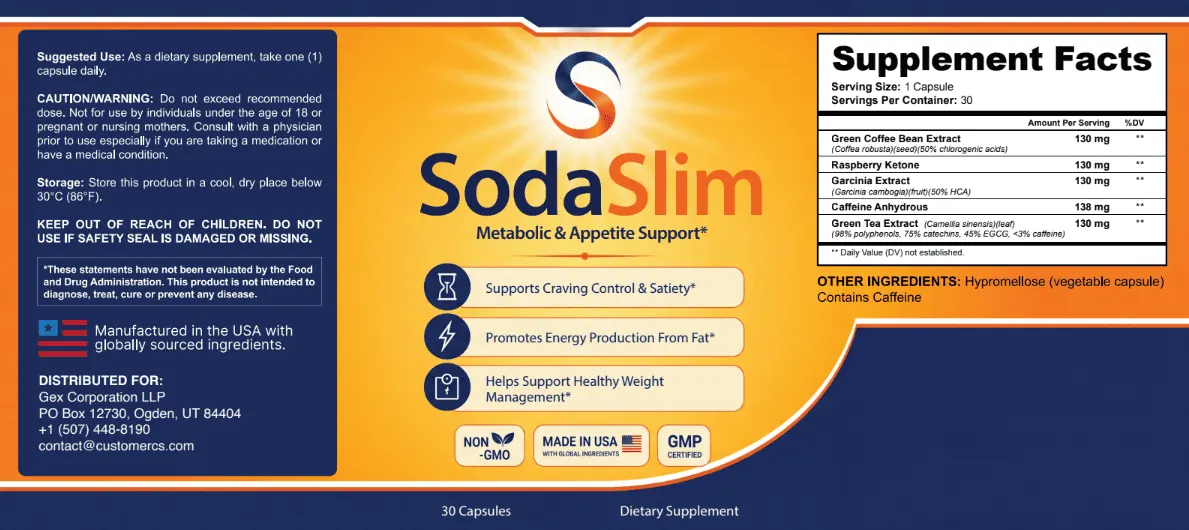
Flip the bottle over and the panel is short: five active lines and one other ingredient. Green Coffee Bean Extract (from Coffea robusta seed, 50% chlorogenic acids), Raspberry Ketone, Garcinia Extract (from Garcinia cambogia fruit, 50% HCA), Caffeine Anhydrous and Green Tea Extract (from Camellia sinensis leaf, 98% polyphenols, 75% catechins, 45% EGCG, under 3% caffeine). Four of the doses are 130 mg; caffeine is 138 mg.
Add them up and you get 658 mg per capsule. No total appears on the panel itself, so treat that figure as simple arithmetic from the printed lines. The %DV column reads "not established" for every ingredient, which is normal for botanicals and means there is no official daily reference amount to compare against.
| Ingredient | Dose | Standardization | Evidence in people |
|---|---|---|---|
| Green Coffee Bean Extract | 130 mg | 50% chlorogenic acids (about 65 mg) | Small, short trials; modest at best |
| Raspberry Ketone | 130 mg | None printed | Mostly lab and animal data; very thin in people |
| Garcinia Extract | 130 mg | 50% HCA (about 65 mg) | Mixed; small short-term differences; rare liver reports |
| Caffeine Anhydrous | 138 mg | Pure caffeine | Real short-term effect on alertness and energy use |
| Green Tea Extract | 130 mg | 45% EGCG (about 58 mg), under 3% caffeine | Modest and mixed; rare liver reports with concentrated extracts |
The five printed doses add up to 658 mg. Percent-based amounts are simple arithmetic from the printed percentages. The evidence column is a plain summary, not a claim about the finished product.
The caffeine headline
Caffeine Anhydrous (138 mg per capsule) is the most noticeable ingredient on the panel. It is a concentrated, dehydrated form of caffeine, and 138 mg is somewhat more than a typical 8 oz cup of brewed coffee, which commonly contains around 95 mg. The FDA says up to 400 mg a day is generally not associated with negative effects for most healthy adults, but individual sensitivity varies a lot. FDA guidance · Mayo Clinic
Because the label also lists green tea extract with under 3% caffeine, and robusta green coffee beans contain some caffeine too, a capsule can deliver slightly more than 138 mg in total. If you already drink coffee, energy drinks or take pre-workout, add it all up before starting.
Full ingredient page: Caffeine Anhydrous in SodaSlim
Buying in 2026
As listed on the site, the options are 2 bottles at $79 each ($158 plus shipping), 3 bottles at $69 each ($207 with free US shipping) and 6 bottles at $49 each ($294 with free shipping and all six bonus guides). The listed savings are $200, $330 and $780 respectively, against a regular price of $179 per bottle. Prices can change, so confirm the final figures on the official checkout page before you pay.
Every package is described as a one-time purchase, not a subscription. If a checkout page ever shows recurring billing you did not expect, stop and contact support before completing the order.
Guarantee and terms
SodaSlim is backed by a 60-day money-back guarantee counted from the purchase date. If you decide it is not for you, contact support with your order confirmation email within that window. Orders are one-time purchases, never an automatic subscription, so there is nothing to cancel later.
A guarantee is not a promise that the product works; it is a way of limiting what you risk while you find out. Read the terms on the refund policy and at checkout so you know what the process involves.
Safety summary
No supplement is risk-free, and a transparent label does not change that. The caffeine can cause jitters, a faster pulse or poor sleep, the botanicals have uncommon liver-safety reports at higher exposures, and the FDA does not approve dietary supplements before sale. Read the FDA's dietary supplement overview to understand what that means.
Using the product as labeled, avoiding extra caffeine and checking with a professional if you take medication keeps the main risks in check.
2026 verdict
SodaSlim is a transparent, caffeine-forward, botanical-supported capsule with a clear guarantee and no published trial. It can be reasonable to test if you meet the safety criteria and keep expectations modest. For the deep dive, see the complete guide; for the practical angle, see the buying guide.
Related reading: SodaSlim Reviews: What to Know Before Trying SodaSlim; SodaSlim Reviews and Results: What Should You Expect?; SodaSlim Customer Reviews: Things to Consider Before Buying; SodaSlim Before and After: What Can You Realistically Expect?.
Frequently asked questions
Is SodaSlim legit in 2026?
The label is detailed and the guarantee is clear. As with any supplement, results are individual and no clinical trial exists for the finished product.
What changed in 2026?
Check the official site for current pricing, shipping and bonus packages, which can change.
Where should I begin?
With the Supplement Facts panel and the safety notes.
Sources and further reading
General background from government and reference sources. They describe the ingredients and supplement safety in general, not SodaSlim itself, which has no published clinical trial.
Caffeine and safety
- How much caffeine is too much? FDA
- Caffeine: how much is too much? Mayo Clinic
- Caffeine: Wikipedia
- Caffeine and energy expenditure: PubMed
- Using Dietary Supplements Wisely: NIH NCCIH